


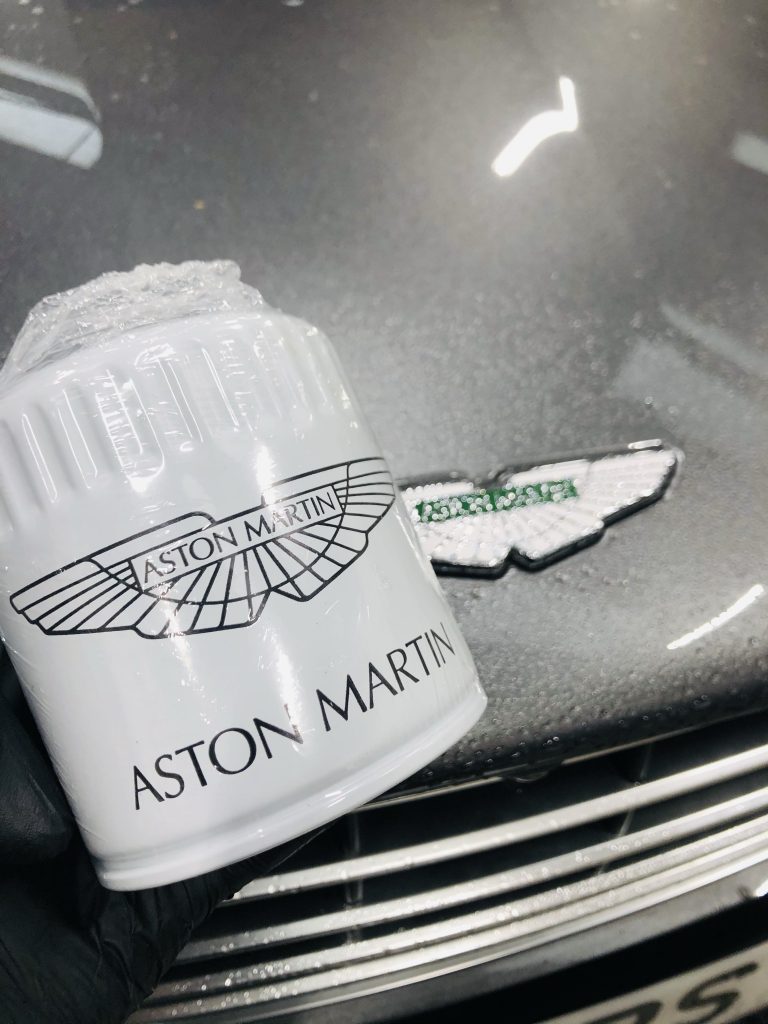
When it comes to car repairs, one critical choice that vehicle owners and repair shops face is between using Original Equipment Manufacturer (OEM) parts and aftermarket parts. This decision can significantly impact the quality, performance, and value of your vehicle. At Premier Group, we prioritize your car’s integrity and your safety, which is why we often recommend OEM parts for repairs. Here’s a comprehensive look at the differences between OEM and aftermarket parts, along with the pros and cons of each.
What Are OEM Parts?
OEM parts are made by the vehicle’s manufacturer or under its authorization. These parts match those that came with your vehicle when it was newly manufactured, ensuring a perfect fit and optimal performance. Premier Group, being a manufacturer-approved accident repair centre for brands like Ford, Kia, Renault, Suzuki, and Dacia, advocates the use of OEM parts to maintain the high standards set by these manufacturers.
Pros of OEM Parts:
- Guaranteed Quality and Compatibility: OEM parts are designed specifically for your vehicle model, ensuring a perfect fit and optimal functionality.
- Warranty and Support: Most OEM parts come with a warranty from the manufacturer, providing added peace of mind.
- Preserved Vehicle Value: Using OEM parts helps maintain your vehicle’s value over time, which is particularly important if you plan to sell or trade it in the future.
Cons of OEM Parts:
- Higher Cost: OEM parts typically come at a higher price compared to aftermarket options.
- Limited Availability: Sometimes, OEM parts can be harder to find, potentially leading to longer repair times.
What Are Aftermarket Parts?
Aftermarket parts are produced by companies other than the vehicle’s manufacturer. They are designed to function the same as or similar to OEM parts but often come at a lower cost. Aftermarket parts can vary in quality and compatibility with your vehicle, making the selection process crucial.
Pros of Aftermarket Parts:
- Cost-Effective: Generally, aftermarket parts are less expensive than their OEM counterparts.
- Variety: There’s often a wider selection of aftermarket parts available, offering more options for customization and repair.
Cons of Aftermarket Parts:
- Variable Quality: The quality of aftermarket parts can vary significantly from one manufacturer to another.
- Potential Compatibility Issues: There’s a risk that an aftermarket part may not fit as precisely as an OEM part, potentially affecting the vehicle’s performance or safety.
Premier Group’s Approach
At Premier Group, we understand the importance of using the right parts for your vehicle. Our commitment to quality and customer satisfaction means we recommend OEM parts for repairs whenever possible, especially as we are an approved repair centre for several leading manufacturers. By choosing OEM parts, we ensure that your vehicle is repaired to meet the exact standards of its original manufacture, preserving its safety, performance, and value.
Conclusion
Choosing between OEM and aftermarket parts is a significant decision that can affect your vehicle’s future performance and value. While aftermarket parts can be appealing due to their lower cost and variety, OEM parts offer unmatched quality assurance and compatibility with your vehicle. At Premier Group, we’re here to help guide you through these choices, ensuring that your vehicle receives the best possible care with parts that guarantee its longevity and reliability.
For expert advice on OEM and aftermarket parts or to schedule a repair, reach out to Premier Group. Our experienced team is dedicated to providing the highest quality service and ensuring your vehicle returns to you in top condition.